
Can You Wear Indian Ethnic Outfits in Winter? 12 Styling FAQs for Women in the USA (2026)
Winter does not mean putting your Indian ethnic wardrobe away. From family gatherings in New Jersey to wedding receptions in Chicago and festive dinners in London, an elegant Anarkali, sharara or salwar suit can work beautifully in cooler weather. The difference is in choosing the right fabrics, layering thoughtfully and planning for where you will actually spend your time.
If you are wondering how to dress for cold weather without hiding the embroidery, silhouette and color you love, these twelve frequently asked questions offer a practical starting point. We have focused on styling ideas for Indian women shopping and dressing in the USA, with tips that are equally useful in the UK and Canada.
12 Frequently Asked Questions About Indian Ethnic Wear in Winter
1. Can you wear an Anarkali suit in winter?
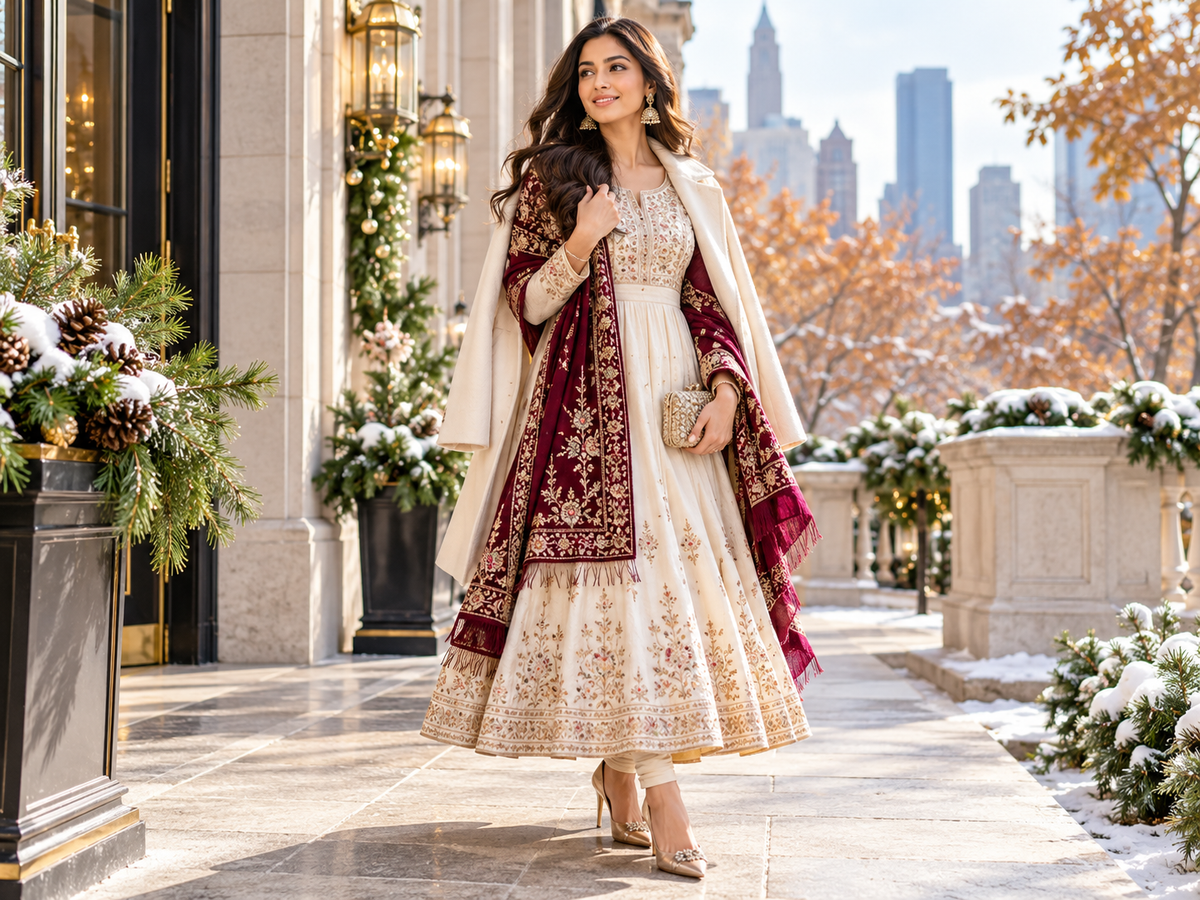
Yes. Anarkali suits are particularly adaptable because their full-length silhouette can accommodate a fitted thermal layer underneath, especially when the sleeves and neckline provide adequate coverage. Choose a fabric with some structure or a lining instead of a very sheer, unlined style. For an outdoor arrival, add a tailored coat that complements the dress, then remove it indoors to reveal the full outfit.
Look for a coat with enough room around the shoulders and upper arms so that embroidery does not catch or bunch. A monochromatic outer layer in ivory, camel, charcoal or burgundy can make the whole look feel intentional instead of improvised.

2. Which fabrics are best for Indian ethnic outfits in cold weather?
Velvet, heavier silk blends, brocade, jacquard and well-lined crepe can all be useful for cool-season occasions. Velvet and brocade often provide a rich visual texture that suits winter celebrations; however, fabric composition, thickness, lining and construction matter more for warmth than the fabric name alone. Lightweight net, georgette and sheer chiffon can still work at heated indoor events when paired with the right underlayers.
Always read the product's fabric and care information before purchasing. For very cold destinations, treat the ethnic outfit as the occasion layer and use a proper winter coat for time spent outside.

3. How do you wear a winter coat over a salwar suit?
A clean-cut long coat usually pairs more easily with straight-cut suits than a short, bulky puffer. Try a knee-length or mid-calf wool-blend coat with a simple collar and a color that echoes the outfit. If the salwar suit has a detailed neckline, keep the coat open while posing for photos, provided the weather allows it.
For practical travel in snow or severe cold, a weather-resistant insulated coat comes first. You can take it off at the venue. Do not sacrifice warmth or safe footwear for the sake of an uninterrupted outfit photograph.
4. Are sharara sets suitable for winter weddings?
Absolutely, especially for indoor wedding events. A sharara set with a longer kameez and an embroidered, generously sized dupatta can look especially elegant for evening receptions. Deep emerald, wine, midnight blue and warm metallic accents are striking combinations for winter occasions.
Be mindful of wide hems when moving through wet streets or slush. For a cold outdoor transfer, a long coat or an elegant shawl will preserve warmth; inside, the sharara's natural movement becomes the focus. Consider a secure, comfortable shoe with the right heel height for the hemline.

5. How can you layer ethnic outfits without looking bulky?
Start with thin, close-fitting layers beneath the main outfit instead of stacking multiple loose pieces on top. A smooth thermal top and leggings may be invisible beneath many long-sleeved, floor-length silhouettes, but check the neckline, sleeves and transparency first. Then choose one clear outer statement: a tailored coat, a substantial stole or a structured jacket.
Balance volume. With a flowing Anarkali skirt, choose a straighter coat. With a streamlined kurta set, you may have room for a broader shawl. Aim for a defined neckline or visible waist, and keep the heaviest layer easy to remove indoors.
6. What footwear should you wear with ethnic outfits in winter?
Embellished closed-toe flats, supportive block heels and elegant ankle boots can all complement ethnic clothing, depending on the length of the trousers and the event. When the ground is dry and the event is indoors, traditional juttis or dress shoes may work well. If you will walk across icy pavements, prioritize traction, stability and weather protection.
A simple approach is to arrive in appropriate outdoor footwear and change into occasion shoes inside. This also protects delicate embroidery and decorative footwear from moisture and road salt.

7. Which colors look best for Indian ethnic wear in fall and winter?
There is no single rule, but rich colors often complement the season beautifully. Burgundy, emerald, plum, navy, chocolate brown and deep teal work well with traditional gold or silver embellishment. If you prefer lighter colors, ivory, blush, champagne and pale sage can feel equally sophisticated, especially with one richer accent such as a velvet dupatta or darker coat.
For photographs, consider the venue too: a warm cream outfit may stand out against winter greenery, while a jewel-toned sharara adds color to a softly lit reception hall. Wear a color that flatters you and suits your event rather than following a trend automatically.
8. Can a dupatta be used as a warm winter layer?
A substantial dupatta or shawl can help with mild cold, particularly when draped close around the shoulders and upper arms. A velvet, wool-blend or heavier woven stole gives more coverage than a delicate net dupatta, although the actual warmth depends on its fibers and thickness. Try bringing the two ends forward or draping one end across the opposite shoulder for a secure, polished look.
Decorative dupattas are not a substitute for protective outerwear in freezing temperatures. They work best as an attractive transition piece between a coat and an indoor celebration.
9. How do you choose the right size for winter ethnic outfits online?
Take updated bust, waist, hip and shoulder measurements, and compare them with the specific product size chart—not a size you normally wear in another brand. If you plan to add a thermal layer, check garment ease and whether the sleeves are fitted. Review garment length and the measurements for trousers or sharara bottoms, especially if you are choosing between flats and heels.
Consider where the outfit is meant to sit: a jacket or coat worn over heavy embroidery should have enough space to move comfortably. Review stitching, customization and exchange details before ordering, particularly for a time-sensitive event.
10. What should you wear to an indoor Indian celebration in winter?
Indoor events offer the most flexibility because the venue is often heated. An embroidered Anarkali, coordinated kurta set or elegant sharara can work beautifully without a heavy outer layer once you arrive. A lightweight stole gives you an extra option if the room feels cool, while removable outerwear keeps you comfortable between the car and venue.
Focus on comfort during the occasion: choose sleeves that allow you to move, jewelry that will not catch on the dupatta and footwear you can wear through several hours of standing, dining and dancing.

11. How can you style one ethnic outfit for several winter occasions?
Think of your outfit as the centerpiece of a small styling capsule. A neutral Anarkali can become a family-dinner look with simple earrings and flats, a reception outfit with statement jewelry and a clutch, or a cold-weather gathering look with a contrasting shawl and long coat. Changing the accessories and outer layer is often more practical than buying a completely new ensemble for each event.
Take photographs of two or three combinations before the season starts. You can quickly plan appropriate layers for a daytime celebration, a formal evening party or a religious gathering without last-minute outfit stress.
12. Which accessories complete a winter ethnic look?
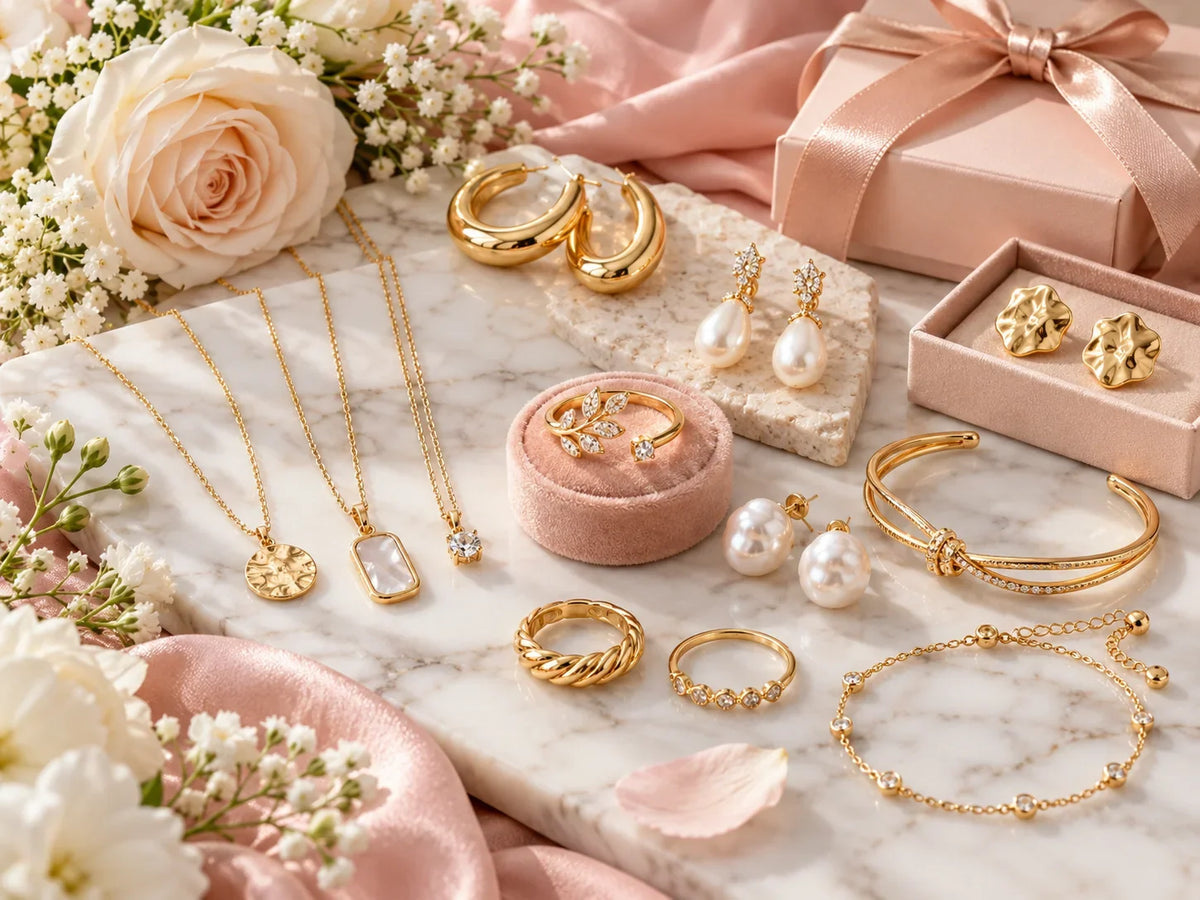
Choose accessories that complement the fabric rather than compete with it. Jhumka earrings, a delicate ring and an embellished clutch are often enough for an embroidered suit. For a simpler kurta set, you can add a necklace or a more decorative bag. Metallic accents in gold, champagne or antique silver can tie together different layers and footwear.
In cold weather, consider practical details too: a bag that closes securely, jewelry that does not snag your scarf and a coat collar that does not interfere with earrings. The finished look should feel comfortable, cohesive and easy to wear.
A Quick Winter Ethnic Outfit Checklist
- Check the forecast: Plan separately for outdoor travel and the heated indoor venue.
- Choose the outfit: Consider lining, sleeve coverage, garment length and your preferred silhouette.
- Add discreet layers: Test thermals underneath before event day.
- Select one outerwear piece: A coordinating coat or substantial shawl usually looks more polished than several bulky layers.
- Plan footwear: Use safe shoes for ice or wet streets, with a change of occasion footwear if needed.
- Finish with accessories: Keep embroidery, jewelry, clutch and dupatta balanced.
- Test movement: Walk, sit and lift your arms to confirm the full look remains comfortable.
Discover Winter-Ready Styling Inspiration at Qivii
The best winter ethnic look combines the beauty of Indian occasion wear with sensible planning for your climate. Whether you love classic Anarkalis, coordinated salwar suits or elegant festive accessories, focus on pieces that reflect your personal style and can be layered comfortably.
Explore Qivii's salwar suit collection for outfit inspiration, then complete your look with accessories suited to your event. Always check individual product details for fabric, sizing and availability.
Styling note: The images in this article are illustrative fashion concepts. Actual product styles, fabric compositions and colors should be confirmed on individual product pages.


Leave a comment
This site is protected by hCaptcha and the hCaptcha Privacy Policy and Terms of Service apply.