
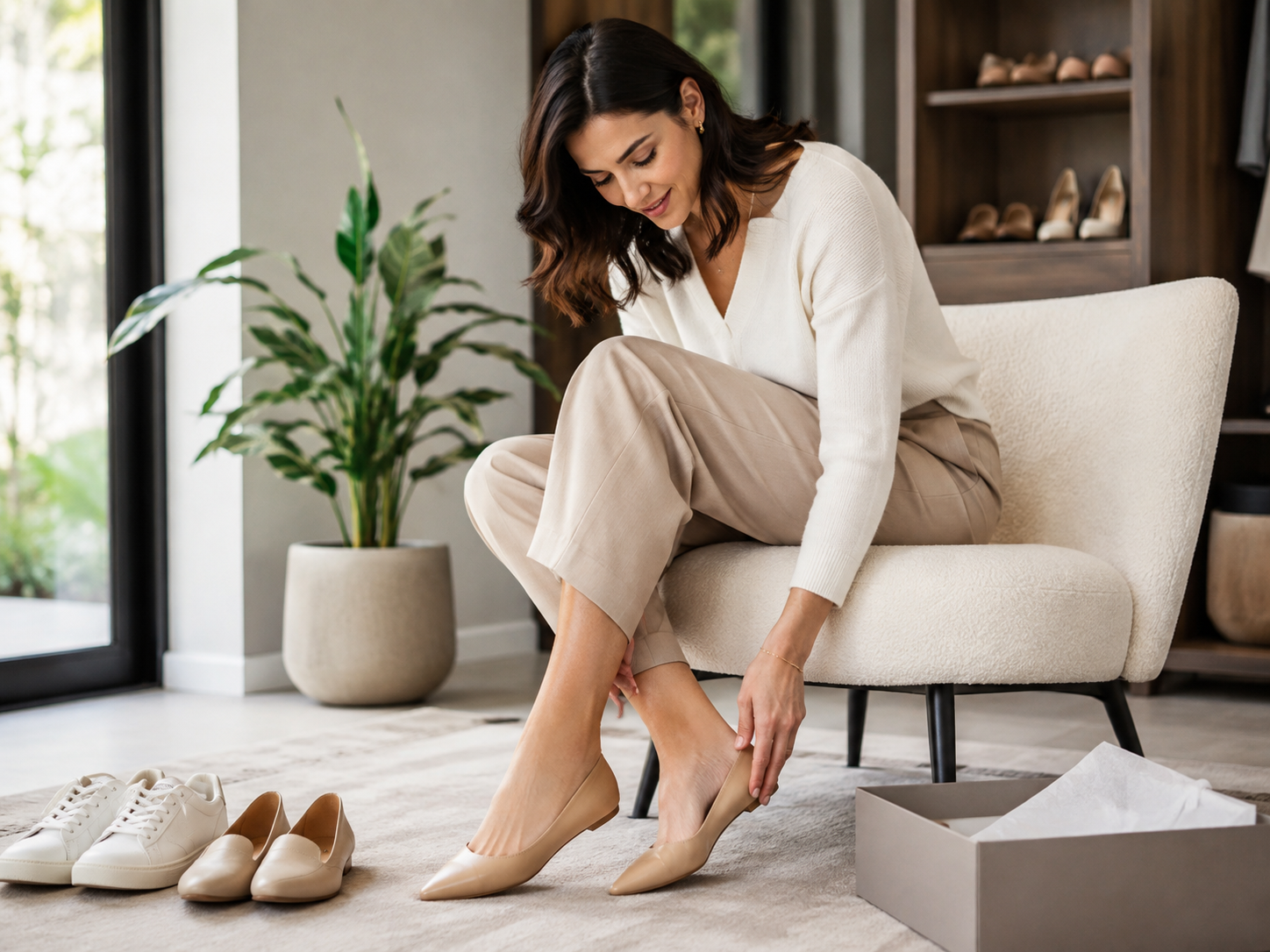
How to Choose Comfortable Everyday Footwear Without Sacrificing Style
Everyday footwear should do two things well: keep you comfortable for long hours and help your outfit look polished. The problem is that many people feel they have to choose between comfort and style. In reality, the right pair of shoes can give you both.
This guide explains how to choose comfortable everyday footwear without sacrificing style. Whether you prefer sneakers, loafers, flats or easy casual shoes, the goal is to find pairs that support your routine, match your wardrobe and feel good from morning to evening.

Why Comfortable Footwear Matters More Than You Think
Good everyday shoes affect more than your outfit. They also influence how easily you walk, how long you stay comfortable and how confident you feel throughout the day. If a shoe looks stylish but causes rubbing, pressure or fatigue after a short time, it stops being practical for daily wear.
That is why a strong everyday footwear choice should balance appearance, cushioning, fit and flexibility.
1. Start With the Right Fit
The first rule of comfortable footwear is simple: the fit must be right. Shoes that are too tight can cause pressure and discomfort, while loose shoes may slip and create friction. A good everyday shoe should feel secure without squeezing the foot.
When checking fit, make sure there is enough room around the toes, the heel feels stable, the shoe does not pinch across the widest part of the foot and you can walk naturally without adjusting your step.
2. Look for Cushioning and Everyday Support
Style is important, but support matters just as much. Shoes designed for everyday wear should offer some cushioning, especially if you walk often, stand for long periods or move between indoor and outdoor settings during the day.

Supportive insoles, soft linings and flexible soles can make a noticeable difference. Even simple loafers or flats feel more wearable when they include a comfort-focused base.
3. Choose Styles That Work With Multiple Outfits
A good everyday shoe should be easy to repeat. Neutral shades such as beige, cream, tan, white, brown, black and soft grey are useful because they match more outfits without effort.
This is especially important if you want a smaller wardrobe with pieces that work together. A versatile pair of loafers or sneakers can move from errands and lunch plans to travel days and casual work settings with only small outfit changes.

4. Casual Footwear Can Still Look Polished
Comfort shoes do not need to look boring. Clean sneakers, soft loafers, elegant flats and minimal sandals can all look polished when the design is simple and the color palette is balanced.
For example, a clean sneaker works well with jeans, trousers and co-ords, while loafers and flats can add a slightly more refined touch to everyday dressing. The best option depends on your routine, but the principle stays the same: choose a shoe that looks neat and feels easy to wear.
5. Build Smart Everyday Outfits Around the Shoe
Once you have a comfortable shoe, the rest of the outfit becomes easier to build. Everyday footwear works best when the clothing around it feels equally practical and clean. Think straight trousers, relaxed denims, co-ords, simple tops, shirts, easy layers or light smart-casual pieces.

Easy outfit formulas include loafers with straight trousers and a shirt, minimal sneakers with chinos and a polo, flats with relaxed trousers and a blouse, or comfortable sandals with easy separates and a tote bag.
6. Think About Real-Life Use, Not Just Styling
Before buying a shoe, ask how it will actually fit into your daily life. Will you walk a lot in it? Will you wear it for travel? Does it need to suit both indoor and outdoor plans? Will it work with at least three to five outfits already in your wardrobe?
If the answer is yes, it is probably a better everyday option than a trend-driven pair that only looks good in one situation.

7. Common Footwear Shopping Mistakes to Avoid
- Buying only for looks: if the shoe is uncomfortable from the beginning, you are unlikely to wear it often.
- Ignoring sole support: a shoe may look clean but still feel tiring after a few hours.
- Choosing difficult colors: versatile neutrals usually give you more outfit value.
- Keeping the wrong size: hoping a poor fit will eventually work often leads to disappointment.
- Ignoring your lifestyle: everyday footwear should suit your actual routine, not just a styled photo.
8. Don’t Forget Footwear Care
Even the most comfortable everyday shoes need proper care if you want them to last longer and stay presentable. Cleaning, storing and rotating shoes regularly helps maintain both appearance and comfort.

Useful habits include wiping shoes after regular use, allowing them to air out properly, using insoles or comfort pads where needed, storing them in a clean dry place and alternating pairs instead of wearing one pair every day.
How to Build a Small Everyday Footwear Rotation
You do not need a huge shoe collection to cover most daily situations. A simple rotation can include one pair of clean casual sneakers, one pair of loafers or smart flats, one pair of easy sandals or slip-ons and one comfort-focused option for longer walking days.
This gives you enough variety for casual, smart-casual, travel and everyday outfits without making your wardrobe excessive.
Quick Buyer Checklist
Before you buy, check these five things:
- Does the shoe feel secure without pinching?
- Is there enough toe room?
- Can you walk naturally in it?
- Does it work with multiple outfits you already own?
- Would you realistically wear it for several hours?
If a shoe passes all five checks, it is much more likely to become a useful everyday pair.
Frequently Asked Questions
What is the best footwear for everyday use?
The best everyday footwear depends on your routine, but generally it should have a secure fit, comfortable support and a design that works with multiple outfits.
Can comfortable shoes still look stylish?
Yes. Clean loafers, sneakers, flats and sandals can offer both comfort and style when the design is simple and well-balanced.
How many everyday shoes should I have?
A small rotation of three to four versatile pairs is often enough for most people.
What shoe colors are easiest to style?
Neutral colors like beige, white, tan, black, brown and soft grey are usually the easiest to repeat across different outfits.
Should new shoes feel tight?
They can feel secure, but they should not create sharp pressure or pain. A poor fit is not something you should rely on breaking in to fix.
Final Takeaway
Choosing comfortable everyday footwear is about making balanced decisions. Focus on fit, support, versatility and real-life wearability. When a shoe feels good and works easily with your wardrobe, it becomes a much better long-term choice.
The best everyday shoes are not just stylish on day one—they continue to look good and feel right every time you wear them.

Leave a comment
This site is protected by hCaptcha and the hCaptcha Privacy Policy and Terms of Service apply.