
5 Easy Dupatta Draping Styles for Lehengas, Salwar Suits & Shararas (2026)
A dupatta can change the entire look of your outfit. From a traditional one-shoulder finish to a modern cape or saree-inspired drape, the right technique adds polish without requiring a new lehenga, salwar suit or sharara set.
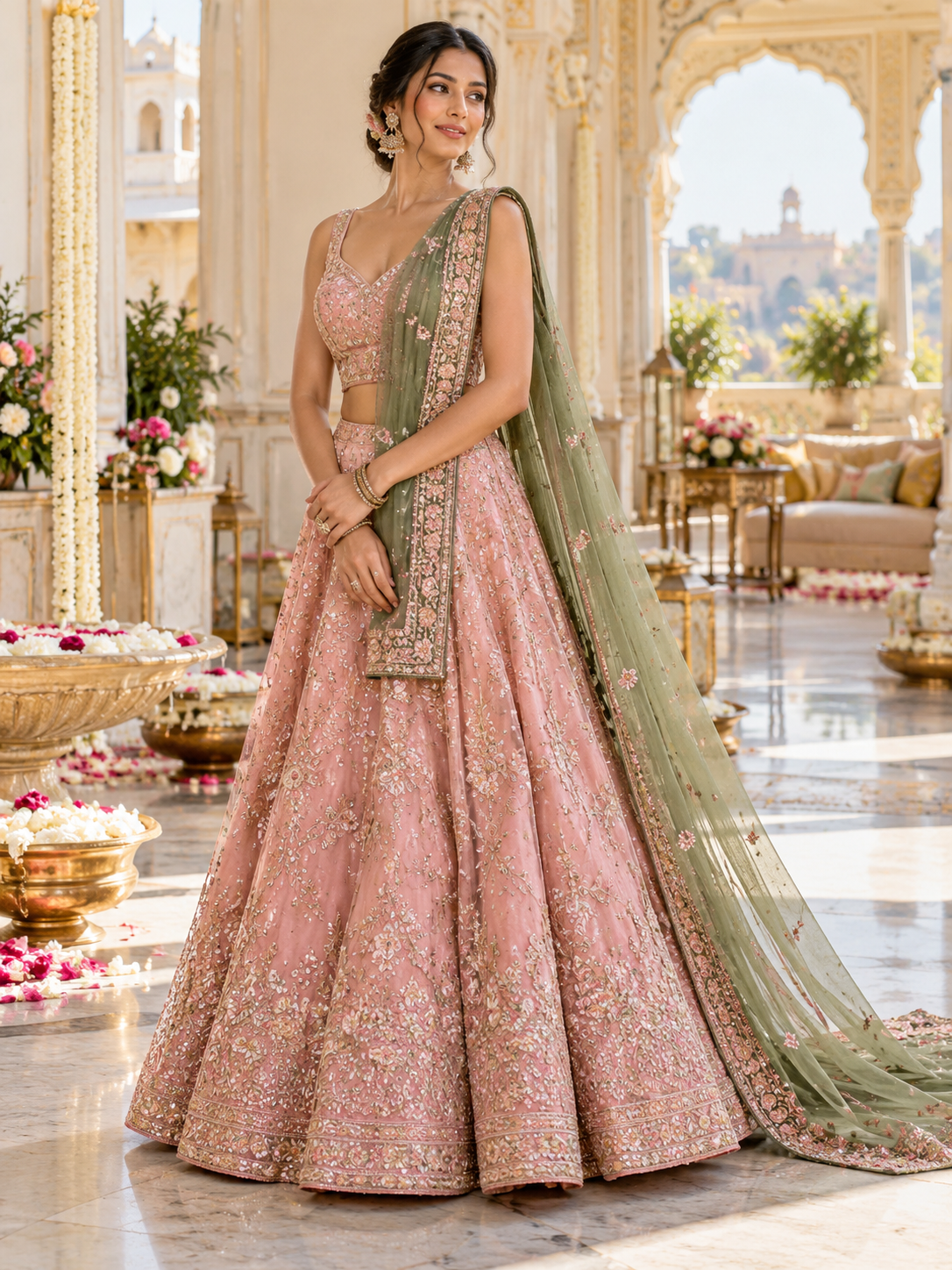
In this 2026 guide, discover five easy dupatta draping styles, step-by-step instructions, practical pinning advice and ways to match each drape to your outfit. The editorial photographs show finished styling ideas; the written instructions explain how to recreate each look.
Before You Start: Choose the Right Dupatta
A soft georgette or chiffon dupatta is usually easiest to pleat and drape. Sheer net shows embroidery beautifully but may need more careful pinning. Silk-blend and brocade dupattas can hold structured folds, though heavy borders require additional support. Steam out deep creases, have a mirror nearby and keep a few small safety pins ready before you begin.
1. Classic One-Shoulder Dupatta Drape

The simplest way to style a dupatta is also one of the most versatile. This classic finish suits embroidered lehengas, straight-cut salwar suits and most evening outfits. It works especially well when you want the blouse or neckline to remain visible.
How to drape it
- Identify the more embellished edge of your dupatta and lightly arrange a few loose pleats at one end.
- Place the pleated end neatly over one shoulder, leaving a shorter section in front and a longer section flowing behind.
- Secure the pleats at the shoulder seam using a discreet pin or a lightweight brooch, taking care not to damage delicate embroidery.
- Let the fabric fall naturally and adjust its length so it does not trail where people are walking.
Styling tip: Best for: lehengas, festive suits and occasions where you want a traditional but uncomplicated look. For a sheer net dupatta, use a small pin in a reinforced seam instead of puncturing fragile embroidery.
2. Gujarati Front-Pallu Drape

The Gujarati, or seedha-pallu-inspired, style brings the decorative dupatta border across the front of your outfit. It makes ornate zari, mirrorwork and richly embroidered edges much easier to see, especially in photographs.
How to drape it
- Take the longer end of the dupatta behind your back and guide it over the right shoulder toward the front.
- Open out the pallu across the torso, keeping the embellished edge visible instead of folding it underneath.
- Make gentle pleats at the shoulder and secure them where the fabric meets a sturdy seam.
- Arrange the remaining fabric at the opposite side or waist, allowing comfortable arm movement and a clean front silhouette.
Styling tip: Best for: embellished lehengas and festive outfits with a statement dupatta. If both the skirt and dupatta are heavily decorated, simplify jewellery so the front drape remains the focus.
3. Modern Cape-Style Dupatta Drape for Sharara Sets

A cape-style dupatta gives a modern finish to a sharara or palazzo set while freeing your hands. The key is a balanced drape across both shoulders, with fabric cascading along the arms rather than tightly wrapped around them.
How to drape it
- Find the centre of a light chiffon, georgette or soft net dupatta.
- Position the centre gently behind the neck or across the upper back.
- Bring the fabric forward and let it fall evenly from both shoulders, creating a soft cape effect.
- Secure each side discreetly at the shoulders if needed, making sure you can lift your arms comfortably and sit without pulling the fabric.
Styling tip: Best for: sharara sets, palazzo suits and reception-inspired styling. Choose a lightweight dupatta; heavy borders can pull against the shoulders and distort the cape shape.
4. Balanced Double-Shoulder Drape for Anarkalis

A double-shoulder drape feels polished and comfortable with a flowing Anarkali or salwar suit. It also gives a simple embroidered suit a more formal appearance without adding another layer of jewellery.
How to drape it
- Fold the dupatta lengthwise just enough to keep the borders tidy.
- Position the middle behind the neckline and place one end over each shoulder.
- Adjust both sides so the front ends hang evenly, or offset them slightly for a relaxed look.
- If the fabric is slippery, pin it at the shoulder seams and keep the front ends above the floor.
Styling tip: Best for: Anarkali suits, long kurtas and family celebrations. Let the dupatta create vertical lines that complement the dress rather than hiding the embroidery on the bodice.
5. Saree-Style Waist Drape for Lehengas

A saree-inspired dupatta drape creates defined diagonal lines across the body and offers a dressed-up alternative to the usual over-the-shoulder style. It is especially striking with lehengas that have a coordinated blouse and skirt.
How to drape it
- Start with one end of the dupatta near the waist and make a few clean pleats so the border sits neatly.
- Guide the loose length diagonally across the front of the blouse and over a shoulder, like a saree pallu.
- Arrange the fabric around the side of the waist without twisting or bunching it.
- Secure the waist end carefully at a firm waistband or inner seam, check that the shoulder pleats stay in place, and test the look while walking and sitting.
Styling tip: Best for: partywear lehengas and wedding celebrations. Use a lightweight dupatta for easier pleating, and avoid placing pins directly through delicate net, beads or sequins.
Which Dupatta Draping Style Should You Choose?
| Draping style | Pairs best with | Overall effect |
|---|---|---|
| One shoulder | Lehenga or salwar suit | Classic and versatile |
| Gujarati front pallu | Embroidered lehenga | Highlights the border |
| Cape style | Sharara or palazzo set | Modern and flowing |
| Double shoulder | Anarkali or kurta set | Balanced and graceful |
| Saree-style waist drape | Partywear lehenga | Structured and elegant |
How to Keep Your Dupatta Secure Without Damaging the Fabric
Always test your drape by walking, raising your arms and sitting down before leaving for an event. Pin fabric to sturdy blouse seams, jacket seams or a supported waistband rather than directly through fragile net, zari threads or beadwork. For heavy dupattas, distribute the weight across more than one anchor point. Remove pins carefully after wearing and store embellished pieces separately so they do not snag.
Match Your Dupatta to Jewellery and Necklines
If your dupatta covers a large part of the neckline, choose statement earrings instead of layering a heavy necklace underneath the fabric. For an open-neck blouse with a one-shoulder drape, a delicate necklace can work well. A cape drape frames the shoulders beautifully with jhumkas or a small pair of drop earrings. Keep one focal point—either the dupatta border, jewellery or blouse embroidery—to avoid a crowded look.
Shop Ethnic Wear at Qivii
Explore the Designer Lehenga collection, browse Salwar Suits, or find inspiration among Women's Sharara Suit Sets at Qivii. These styling photographs are editorial illustrations, not photographs of specific products available for purchase. Check the product page for fabrics, included components, measurements and delivery estimates before ordering.
Qivii clothing is made to order. Standard delivery is generally estimated at 12–25 business days, while express delivery is estimated at 8–11 business days; delivery estimates are not guarantees. Plan ahead if you are shopping for a specific celebration.
Frequently Asked Questions
What is the easiest dupatta draping style for beginners?
A classic one-shoulder drape is often the easiest because it requires only a few loose pleats and a secure shoulder pin.
Which dupatta style works with a sharara suit?
A cape-style drape or simple balanced shoulder drape complements the wide-leg silhouette of a sharara set.
Can I turn a lehenga dupatta into a saree-style drape?
Yes. Pleat the dupatta across the front, place the pallu over one shoulder and secure a lower end at a sturdy waist seam. A lightweight fabric will usually be easier to arrange.
How can I pin a heavy embroidered dupatta safely?
Use reinforced garment seams and more than one support point. Avoid piercing fragile embroidery or net directly. If the dupatta is unusually heavy, consider assistance from a tailor for secure attachment.
Final tip: The best dupatta style is the one that highlights your outfit while letting you move comfortably. Experiment with the same dupatta in two or three ways before your next event.


Leave a comment
This site is protected by hCaptcha and the hCaptcha Privacy Policy and Terms of Service apply.