
7 Fashion Myths That Are Making Your Outfits Look Dated — What to Do Instead in 2026
Fashion rules can be useful when you are learning how to build an outfit, but many of the rules people still repeat were created for a different era. In 2026, personal style is less about perfectly matching every detail and more about proportion, balance, versatility and intentional contrast.
If your wardrobe sometimes feels dated even though the individual pieces are stylish, an old styling rule may be the reason. Below are seven common fashion myths worth leaving behind—and the modern alternatives that can make getting dressed easier, fresher and more personal.
Myth 1: Your Shoes and Bag Must Always Match

The myth: A polished outfit requires shoes and a handbag in exactly the same color.
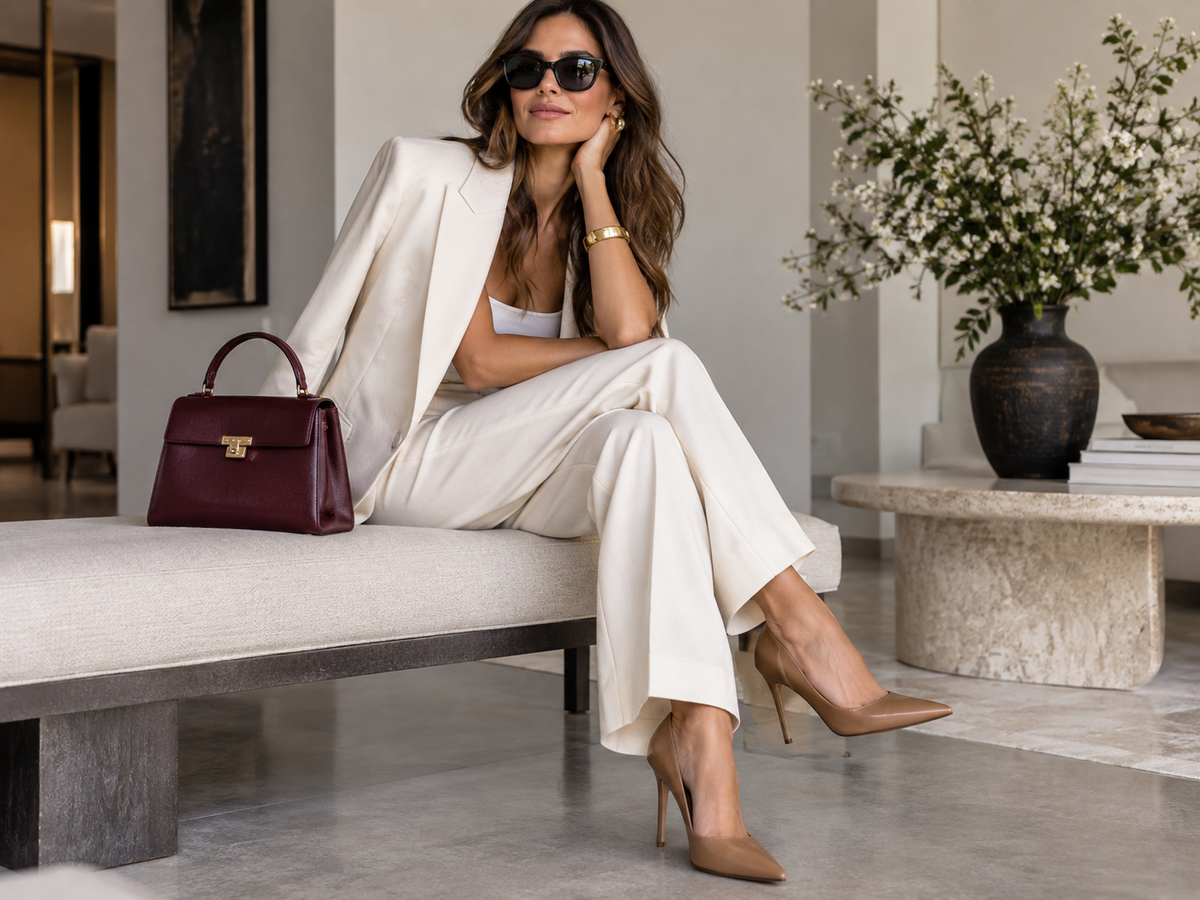
The reality: Exact matching can work, but it is no longer the only route to a coordinated look. Modern styling often feels more sophisticated when accessories relate through undertone, texture, hardware or overall mood rather than identical color.
Try a burgundy handbag with camel pumps, a chocolate bag with cream shoes, or a black bag with metallic footwear. The goal is visual harmony, not duplication. If the rest of your outfit is neutral, a contrasting bag can also become the focal point without making the look feel busy.
Do instead: Choose one connecting detail—warm tones, gold hardware, sleek leather or a similar level of formality—and let the colors differ.
Shop Now: Handbags & Top-Handle Bags
Myth 2: Petite Women Should Avoid Wide-Leg Pants

The myth: Wide-leg trousers automatically overwhelm a petite frame.
The reality: Proportion matters more than height. A high rise can visually lengthen the legs, while a clean waistband and controlled volume create a long vertical line. The wrong length may feel heavy, but the right cut can be one of the most flattering silhouettes in a petite wardrobe.
Pair wide-leg trousers with a tucked-in knit, fitted tank, cropped jacket or structured top so the waist remains visible. Shoes with a pointed toe or a little height can extend the line even further, but they are optional when the trouser length is properly balanced.
Do instead: Focus on rise, hem length and waist definition rather than avoiding the silhouette completely.
Shop Now: Explore Women’s Fashion
Myth 3: Ethnic Wear Always Needs Heavy Jewellery

The myth: A saree, lehenga or festive outfit looks incomplete unless it is paired with multiple heavy jewellery pieces.
The reality: One strong focal piece can look more refined than several competing elements. If your outfit already has embroidery, texture or an ornate border, statement earrings alone may be enough. With a simpler outfit, a necklace can take the lead while the rest stays understated.
This approach also lets beautiful fabric and craftsmanship remain visible. Instead of asking how much jewellery an outfit needs, ask where you want the eye to land first.
Do instead: Pick one hero element—earrings, necklace, bangles or a ring—and build the rest of the styling around it.
Myth 4: Black Is Always the Safest Formal Color

The myth: When an occasion calls for a polished or formal outfit, black is the only reliably elegant choice.
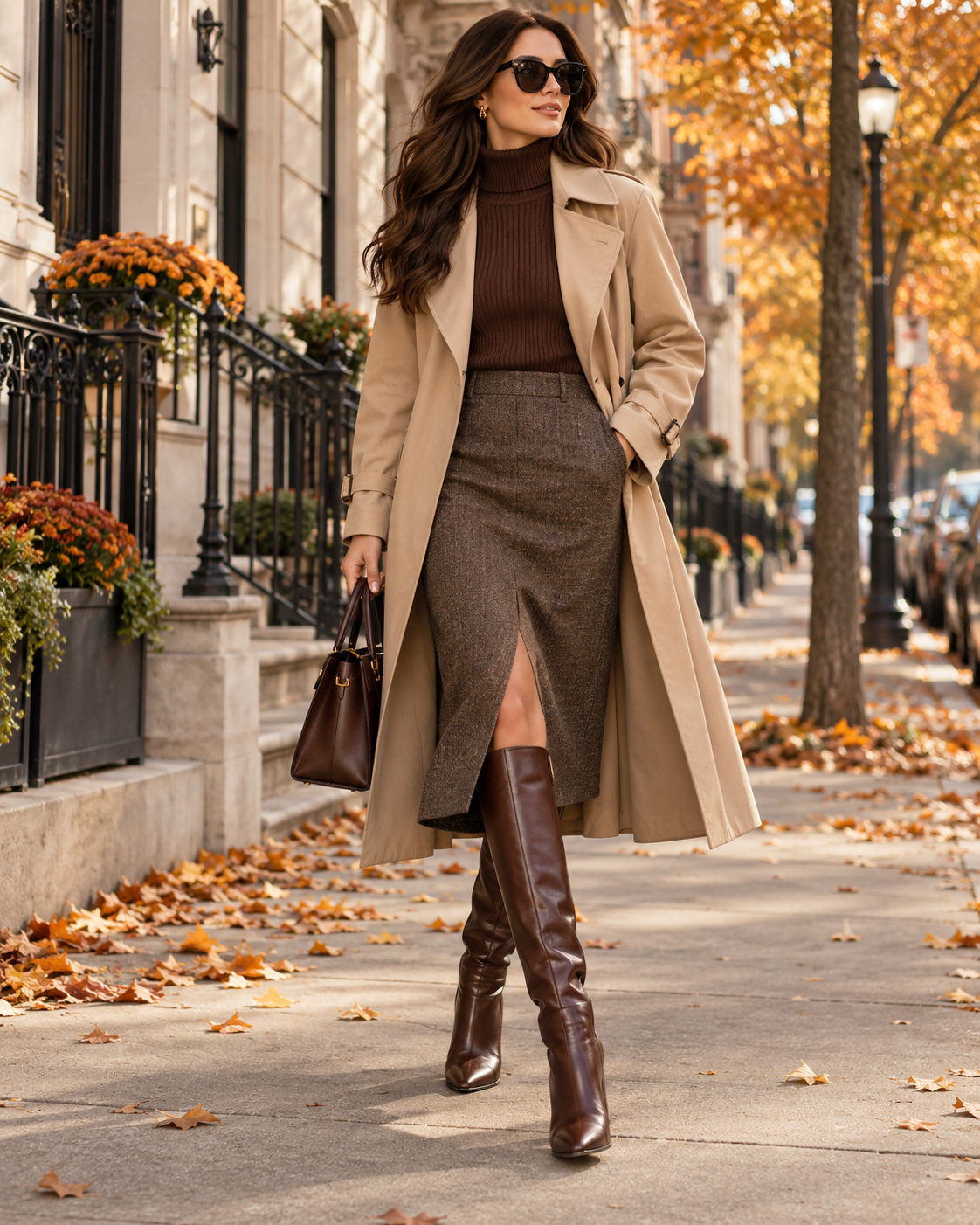
The reality: Deep burgundy, chocolate brown, navy, forest green and muted olive can function as modern neutrals. They deliver the same sophistication while adding more dimension and personality.
A monochrome look in one of these shades is especially effective. Keep the silhouette tailored and accessories refined, and the color will still read as elevated. Rich non-black neutrals can also soften an outfit while remaining appropriate for dinners, events, work occasions and evening plans.
Do instead: Build a tonal outfit around one deep neutral and keep the finishing details clean.
Shop Now: Discover the Latest Styles
Myth 5: Co-Ord Sets Are Only Casual

The myth: Matching sets are mainly for lounging, travel or relaxed daytime outfits.
The reality: Fabric, structure and styling determine formality far more than the fact that two pieces match. A tailored blazer-and-trouser set, a fluid satin co-ord or a structured matching set can easily move into dinner, event and polished workwear territory.
The advantage is simplicity: the matching pieces create instant cohesion, while shoes, jewellery and a handbag determine how dressed-up the final result feels.
Do instead: For a more elevated look, choose cleaner tailoring or richer fabric and finish with refined footwear and one structured accessory.
Myth 6: Statement Clothes Need Statement Accessories

The myth: A bold dress, dramatic print or embellished outfit needs equally bold shoes, jewellery and a bag.
The reality: Too many focal points can compete with one another. One of the easiest ways to make a statement piece look more expensive is to give it visual space.
If the clothing carries a strong print, unusual silhouette, rich texture or embellishment, try a simple bag, streamlined shoe and minimal jewellery. This creates hierarchy: the eye understands immediately what the main feature of the outfit is.
Do instead: Decide on one hero piece, then let the supporting pieces become quieter.
Shop Now: Find Your Statement Piece
Myth 7: Trendy Pieces Cannot Be Reworn

The myth: Once you buy a trend-forward piece, it has a very short life in your wardrobe.
The reality: The lifespan of a trend often depends on what you pair it with. A metallic skirt, oversized blazer, sculptural top or bold accessory can be reworn repeatedly when it is anchored by wardrobe basics.
Think of a trend piece as the variable and keep the rest of the formula familiar. A metallic midi skirt can work with a white tee and sneakers, a fine knit and boots, or a blazer and simple heels. The same item can move across seasons and occasions without looking like the exact same outfit.
Do instead: Before buying a trend, imagine at least three combinations using pieces you already wear regularly.
Shop Now: Build Your Next Look
The 2026 Rule That Replaces All Seven
The strongest modern style rule is simple: create balance, not perfect matching. A good outfit does not need to follow an old formula. It needs a clear focal point, proportions that feel intentional and pieces that make sense together.
That may mean wearing wide-leg trousers when you are petite, choosing one statement earring instead of a full jewellery stack, pairing different accessory colors or turning a co-ord into an evening look. When every choice has a reason, the outfit feels current without becoming trend-dependent.
Use fashion rules as tools—not restrictions. Keep the ones that help you get dressed with confidence and leave the rest behind.

Leave a comment
This site is protected by hCaptcha and the hCaptcha Privacy Policy and Terms of Service apply.