
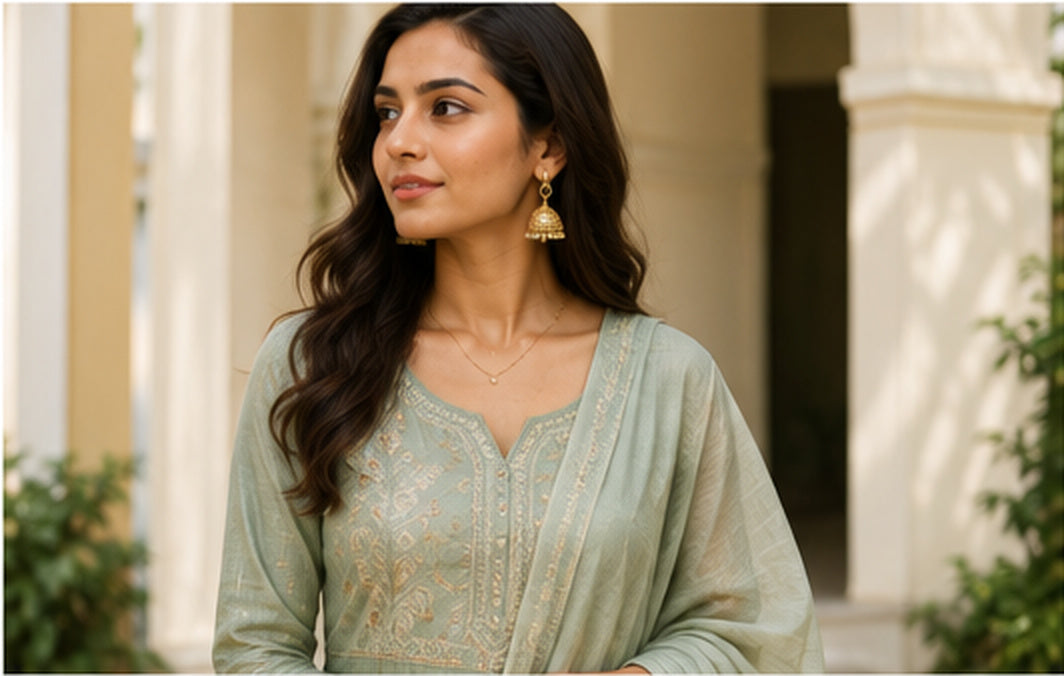
Fabric Guide: How to Choose the Best Fabric for Every Season
The right fabric can completely change how an outfit feels, moves and performs. A beautiful silhouette is important, but comfort, breathability, warmth, drying time and maintenance all start with the material.
This fabric guide explains how to choose the best fabrics for different seasons without making the process complicated. Instead of treating one fabric as “best” for every situation, look at four things: fiber, weave, weight and finish. Two garments made from the same fiber can feel very different if one is tightly woven and heavy while the other is light and airy.

Why Fabric Choice Matters
Fabric affects more than temperature. It influences drape, structure, durability, wrinkle resistance, care requirements and how polished an outfit looks throughout the day. When you shop online, checking the fabric description can help you predict whether a piece will feel crisp, fluid, soft, stretchy or structured.

A practical way to compare materials is to ask:
- Will this fabric feel comfortable in the expected temperature?
- Does it need frequent ironing or special cleaning?
- Will it dry quickly if the weather is humid?
- Does the drape suit the garment style?
- Is the fabric durable enough for how often I plan to wear it?
For everyday outfits, versatility often matters more than luxury. For special occasions, texture and drape may become more important.
Best Fabrics for Summer
Hot weather usually calls for lightweight fabrics and looser constructions that allow air to move around the body. Cotton and linen are popular choices, but the weave and garment fit still matter. A heavy cotton can feel warmer than a lightweight blend, while a fine linen shirt can feel exceptionally airy.

Cotton
Cotton is one of the easiest warm-weather materials to wear because it is widely available, comfortable and familiar. Lightweight cotton shirts, kurtas, dresses and tops can work well for everyday wear.
Linen
Linen is known for its airy feel and naturally relaxed texture. It wrinkles easily, but those wrinkles are part of its casual summer character. Linen blends can provide a slightly neater look while keeping some of the lightness.
Voile, Chambray and Lightweight Blends
Voile is typically fine and lightweight, while chambray can give a denim-like visual effect without the same heaviness as many traditional denim fabrics. Modern blends can also improve wrinkle resistance or stretch, although the exact comfort level depends on the construction.
For lightweight everyday silhouettes, explore Women’s Ready to Wear, Women’s Kurtas and Men’s Shirts.
Best Fabrics for Rainy and Humid Weather
Rainy weather creates a different problem: humidity can make fabrics feel heavy, while unexpected showers make slow-drying garments inconvenient. In these conditions, the best choice is often a fabric or blend that balances comfort with faster drying and easier maintenance.

Lightweight synthetics and synthetic blends generally dry faster than heavy natural fabrics. Rayon and modal can feel soft and fluid, but their performance varies by blend and construction, so always check the garment care label. Avoid choosing only by fiber name; a thin woven fabric may behave very differently from a thick knit made from the same fiber.
Rainy-Weather Dressing Tips
- Choose lighter-weight garments that will not become excessively heavy if damp.
- Avoid very long hems when streets are wet.
- Prefer fabrics that are easy to wash and dry if you commute frequently.
- Keep delicate embroidery, suede-like finishes and high-maintenance textiles for drier days.
Best Fabrics for Winter
Cold-weather dressing is less about one thick garment and more about insulation plus smart layering. Wool, wool blends, fleece, flannel, corduroy and velvet can all add warmth or visual depth, depending on the outfit.

Wool and Wool Blends
Wool is valued for warmth and insulation. Blends can make it easier to care for or change the texture, weight and price. A lightweight wool layer may be more useful than an extremely heavy one if you spend time moving between outdoor cold and heated indoor spaces.
Flannel and Brushed Fabrics
Brushed surfaces trap more air and create a warmer hand feel. Flannel shirts and similar fabrics are practical for casual winter layering.
Velvet and Rich Occasion Fabrics
Velvet has a dense visual texture and works especially well for evening and festive dressing. Because it can be high maintenance, check storage and cleaning instructions before buying.
For seasonal occasion wear, browse Men’s Kurtas and Women’s Dresses.
Best Fabrics for an All-Season Wardrobe
If you want fewer clothes that work across more months, focus on medium-light fabrics that layer easily. Cotton, cotton blends, Tencel or lyocell blends, lighter denim and certain rayon or modal blends can transition between seasons depending on garment design.

An all-season wardrobe does not mean wearing the same outfit in every temperature. It means choosing pieces that can be worn alone in mild weather and layered when temperatures drop.
Fabric Guide by Season
| Season | Useful fabric directions | What to look for |
|---|---|---|
| Summer | Cotton, linen, voile, chambray, lightweight blends | Breathability, light weight, easy movement |
| Rainy / Humid | Quick-drying blends, lightweight synthetics, selected rayon/modal blends | Fast drying, easy care, shorter hems |
| Winter | Wool, fleece, flannel, corduroy, velvet | Insulation, layering ability, warmth |
| All Season | Cotton, lyocell/Tencel blends, light denim, versatile blends | Layerability, durability, easy styling |
How Fabric Weight Changes the Outfit
Fabric weight is just as important as fiber. A lightweight material tends to move more freely and can be easier to layer. Medium-weight fabrics often hold their shape better, while heavier fabrics provide structure and warmth.
For example, a lightweight cotton kurta can feel completely different from a dense cotton jacket. Both may say “cotton” in the product description, so always look at garment photos, drape and construction as well.
How Weave and Texture Affect Comfort
An open or loose weave generally allows more airflow than a tight, dense construction. Texture also affects the way the fabric touches the skin. Smooth fabrics may feel cooler initially, while brushed or fuzzy surfaces usually feel warmer.
When buying online, zoom into product photos and read the description for words such as lightweight, woven, knit, stretch, brushed, sheer, lined or structured. These details often tell you more about the wearing experience than the fiber name alone.
Simple Fabric Care Tips

- Read the care label: the manufacturer’s instructions should always come first.
- Wash similar fabrics together: heavy garments can create friction against delicate ones.
- Use the right water temperature: excessive heat can shrink, fade or damage certain materials.
- Air dry when appropriate: some garments maintain their shape better when dried naturally.
- Store completely dry: moisture trapped during storage can lead to odor or mildew.
- Iron carefully: use the recommended temperature and turn delicate or embellished pieces inside out when suitable.
How to Choose Fabric When Shopping Online
Start with the occasion and climate, then read the fabric composition. Next, study product photos for drape and thickness. Finally, check the care requirements. A garment can be beautiful but still be the wrong choice if the maintenance does not fit your routine.
For frequent travel or everyday wear, easy-care fabrics may be more practical. For weddings and celebrations, richer textures, embroidery and structured fabrics may be worth the extra care.
Frequently Asked Questions
What is the best fabric for hot weather?
Lightweight cotton and linen are popular choices because they can feel breathable and comfortable. However, weave, thickness and garment fit also matter.
Which fabrics dry quickly in rainy weather?
Many lightweight synthetic fabrics and blends dry faster than heavy natural fabrics. Always consider the complete garment construction rather than fiber alone.
What fabric is best for winter?
Wool, fleece, flannel and other insulating fabrics are useful for cold weather. Layering several comfortable fabrics can be more flexible than relying on one extremely heavy piece.
Which fabrics work year round?
Medium-light cottons, versatile blends, lighter denim and some lyocell/Tencel-based fabrics can work across multiple seasons when layered appropriately.
Is natural fabric always better than synthetic fabric?
No. Natural and synthetic fibers each have advantages. Natural fibers may provide comfort and breathability, while synthetics can add durability, stretch, wrinkle resistance or faster drying. The best choice depends on the garment and how you plan to use it.
Final Takeaway
The best fabric is not simply the most expensive or the most natural. It is the material that suits the climate, occasion, garment shape and care routine. Learn to look beyond the fiber name and consider weight, weave, drape and maintenance. Once you do, choosing comfortable clothes online becomes much easier.

Leave a comment
This site is protected by hCaptcha and the hCaptcha Privacy Policy and Terms of Service apply.