
How to Measure Yourself for Clothes: A Simple Online Shopping Size Guide
Buying clothing online is easier when you know your current body measurements. A familiar size label can fit differently from one style or brand to another, so comparing your measurements with the size information on the product page is usually more useful than relying on the letter or number on an older garment.
This simple guide explains how to measure yourself for clothes at home, which measurements matter most, and how to use them when choosing dresses, ready-to-wear outfits, menswear and other clothing online.
What You Need Before Taking Body Measurements
- A flexible fabric or tailor's measuring tape
- A mirror, if you are measuring yourself
- Fitted or lightweight clothing
- A note on your phone or paper to record each measurement
Stand naturally rather than pulling your stomach in or changing your posture. Keep the tape comfortably against the body without squeezing it, and try to keep it level with the floor for circumference measurements. Record measurements in the same unit used by the product's size chart whenever possible.
1. How to Measure Your Bust or Chest
Wrap the measuring tape around the fullest part of your bust or chest. Keep the tape straight across your back and under your arms. Your arms should remain relaxed at your sides.
For dresses, tops, blazers, kurtas and many fitted garments, this is one of the most important measurements. If a style is structured through the upper body, also pay attention to shoulder and arm measurements.
2. How to Measure Your Natural Waist
Your natural waist is generally the narrowest part of your torso, often located above the belly button and below the rib cage. Bend gently to one side if you are unsure; the point where your torso naturally creases is a useful reference.
Wrap the tape around this area while standing normally. Do not pull the tape tighter to create a smaller number, because that can lead to an uncomfortable fit.
3. How to Measure Your Hips
Stand with your feet fairly close together and measure around the fullest part of your hips and seat. Use a mirror to check that the tape is level rather than angled upward or downward.
Hip measurement is especially useful when shopping for fitted dresses, skirts, trousers, co-ord bottoms and other styles shaped through the lower body. You can browse women's dresses and compare each product's fit information with your measurements before choosing a size.
4. How to Measure Shoulder Width
For shoulder width, measure across your upper back from the outer edge of one shoulder to the outer edge of the other. The tape should follow the natural line across the back rather than wrapping around the body.
This measurement can be particularly helpful for blazers, jackets, fitted tops, kurtas and garments where the shoulder seam needs to sit neatly.
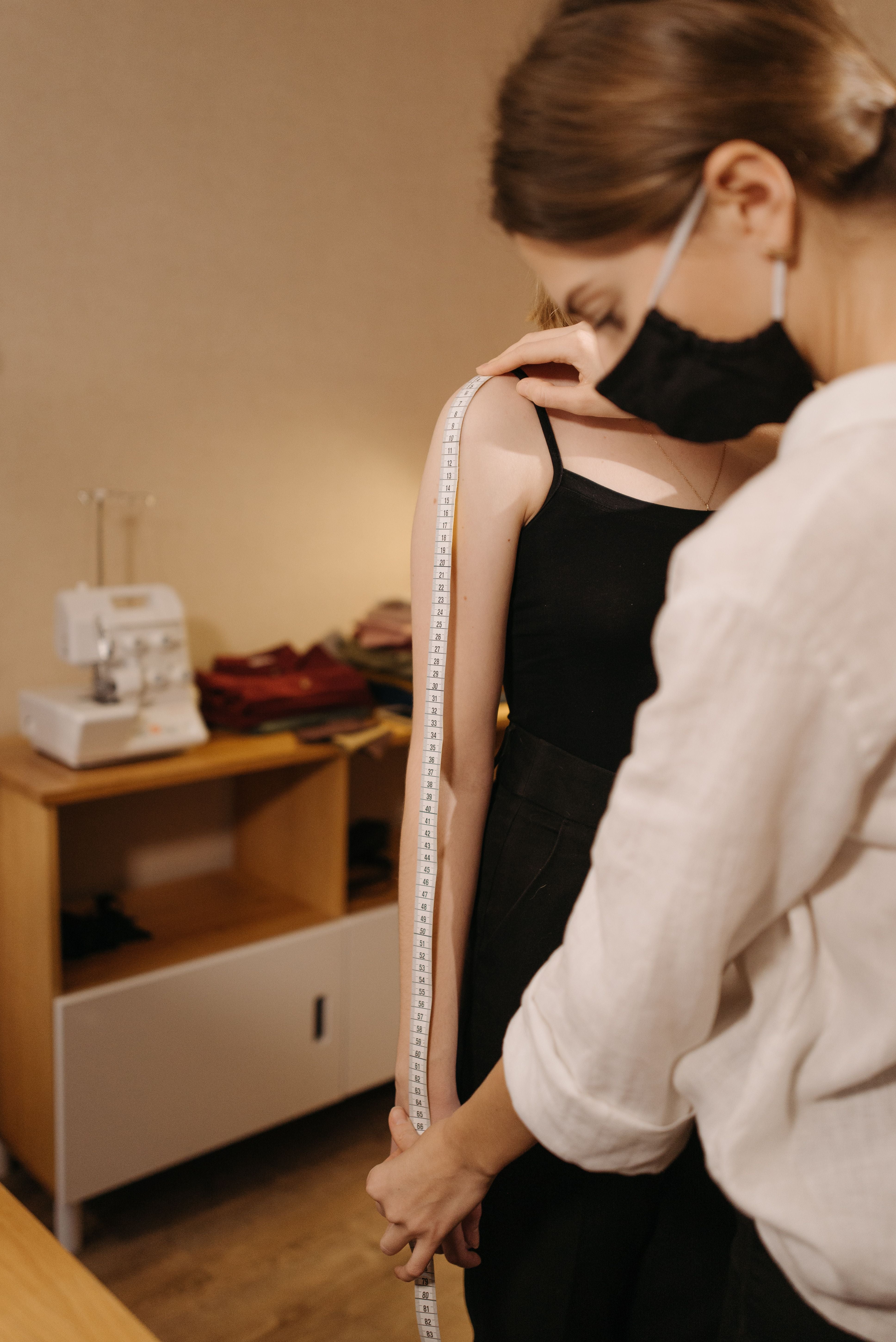
5. How to Measure Sleeve Length
Start at the outer shoulder point and measure down the arm to the wrist or to the intended sleeve endpoint. Keep a slight natural bend in your elbow instead of holding the arm completely rigid.
If the product page lists garment sleeve length rather than body sleeve length, remember that garment construction can change where the sleeve begins. Raglan, dropped-shoulder and oversized designs may use different reference points.
6. How to Measure Your Inseam
The inseam runs from the upper inside leg down to the point where you want the trouser hem to finish. One easy method is to measure a pair of well-fitting trousers laid flat, starting at the crotch seam and continuing along the inside leg to the hem.
Your ideal inseam can vary depending on whether you plan to wear flats, heels, boots or cropped trousers, so think about the intended styling as well as the number itself.
7. Neck Measurement for Men's Shirts and Formalwear
For shirts or styles that fit closely around the collar, place the tape around the base of the neck where a shirt collar would naturally sit. Keep enough room for comfortable movement rather than measuring tightly against the skin.
For men's tailored clothing, chest, shoulders, waist, sleeve length and inseam are also useful measurements. Shoppers who need a wider size range can compare measurements with the available options in Qivii's men's plus-size collection.
How to Use Your Measurements With an Online Size Chart
Once you have written down your measurements, compare them with the specific size information shown for the garment you want to buy. Avoid assuming that the same size will fit identically across every category.
- Check whether the chart lists body or garment measurements. Garment measurements may include extra room for movement or the intended silhouette.
- Look at the fabric. Stretch fabrics can behave differently from woven, structured or heavily lined materials.
- Consider the intended fit. A relaxed shirt, bodycon dress and tailored blazer are designed with different amounts of ease.
- Prioritize the critical measurement. For a fitted dress, bust or hips may determine the better size; for trousers, waist and hips are often especially important.
- Read product-specific notes. Details such as oversized fit, slim fit, stretch level, lining or adjustable features can influence your decision.
For everyday outfits, Qivii's women's ready-to-wear collection includes multiple silhouettes, so checking the individual product details remains important even when two pieces appear similar.
What to Do If You Are Between Two Sizes
There is no single rule that works for every garment. Start by identifying where the item is most fitted. If your bust corresponds to one size and your hips to another, the garment's cut should guide the choice.
Also consider whether the fabric stretches and whether you prefer a close or relaxed fit. When alteration is practical, choosing the size that comfortably fits the hardest-to-alter area can sometimes give you more flexibility, but always use the specific product information as the primary guide.
Common Body-Measurement Mistakes to Avoid
- Pulling the tape too tight: The tape should touch the body without compressing it.
- Measuring over bulky clothing: Thick layers can add unnecessary inches or centimeters.
- Using measurements taken a long time ago: Retake them periodically, especially before an important purchase.
- Holding your breath: Stand and breathe normally for a more realistic measurement.
- Assuming your usual size is universal: Always compare with the current item's size information.
- Ignoring garment design: Stretch, lining, tailoring and silhouette can all affect how an item feels when worn.
Quick Clothing Measurement Checklist
| Measurement | Where to Measure | Often Useful For |
|---|---|---|
| Bust / Chest | Fullest part of upper body | Tops, dresses, kurtas, blazers |
| Waist | Natural waistline | Dresses, skirts, trousers, sets |
| Hips | Fullest part of hips and seat | Dresses, skirts, trousers |
| Shoulders | Outer shoulder to outer shoulder across back | Jackets, blazers, kurtas, fitted tops |
| Sleeve | Shoulder point to wrist or desired end | Shirts, jackets, long-sleeve outfits |
| Inseam | Upper inner leg to hem | Trousers and pants |
| Neck | Around base of neck | Men's shirts and close collars |
Frequently Asked Questions
Should I measure myself in inches or centimeters?
Either is fine. The easiest approach is to record both if your tape includes both scales, or use the same unit shown in the product's size chart to avoid unnecessary conversions.
How often should I retake my body measurements?
There is no required schedule, but it is useful to remeasure when your fit preferences or body measurements may have changed, or before buying a fitted outfit for an important occasion.
Can I take measurements without a tailor's tape?
A flexible measuring tape is best. If you do not have one, a non-stretch string can be wrapped around the measurement point and then measured against a ruler, although this method is easier to misread.
Are body measurements the same as garment measurements?
No. Body measurements describe your body, while garment measurements describe the actual finished clothing. Garments often include additional room, called ease, depending on the design and intended fit.
Do the same measurements work for ethnic and Western clothing?
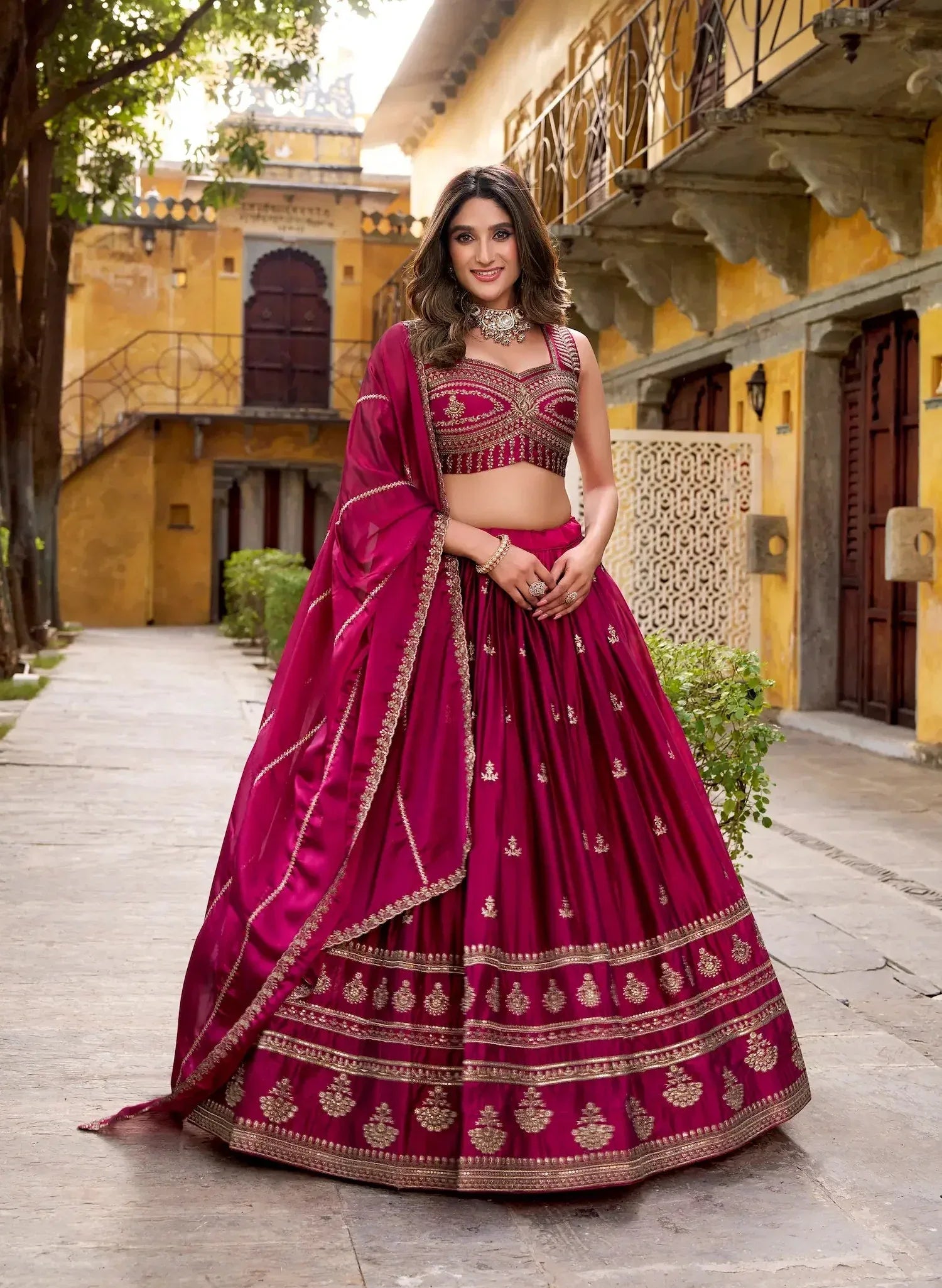
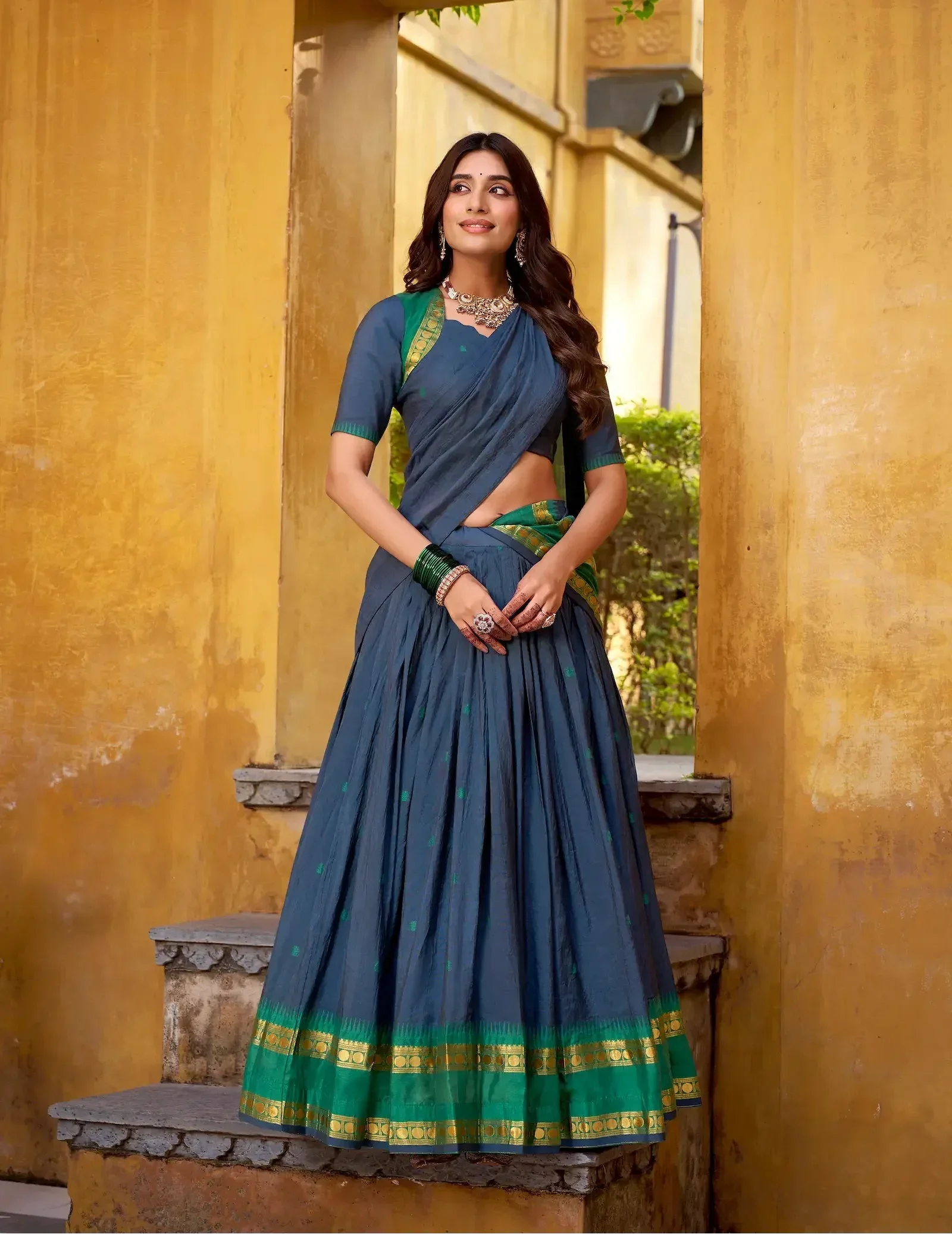
The basic body measurements remain useful across both, but individual garments can require additional details. A fitted blouse, tailored sherwani, kurta, gown or trouser may each emphasize different measurements, so the product-specific size information should always be checked.
A Better Habit for Buying Clothes Online
Knowing how to take accurate measurements gives you a stronger starting point than shopping by a familiar size label alone. Keep your current bust or chest, waist, hips, shoulders, sleeve and inseam measurements saved somewhere accessible, then compare them with the details of each garment before ordering.
When you are ready to shop, explore Qivii's ready-to-wear clothing, women's dresses or men's blazers, and use this measurement checklist alongside the information provided on the product page.

Leave a comment
This site is protected by hCaptcha and the hCaptcha Privacy Policy and Terms of Service apply.