
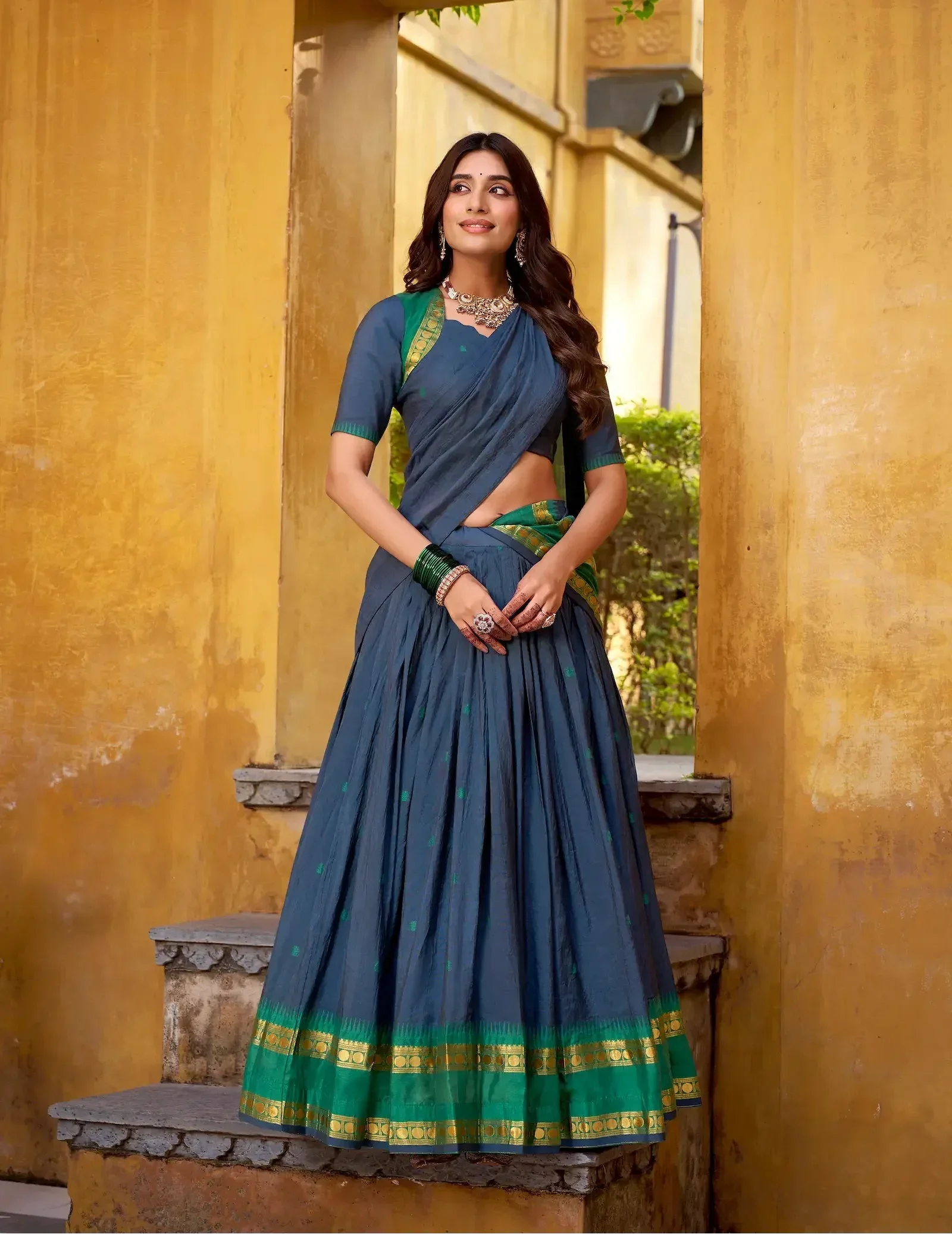
How to Care for Your Clothes: 12 Simple Tips to Make Them Last Longer
Your favorite clothes do not need complicated routines to stay looking their best. A few smart habits around washing, drying, stain treatment and storage can reduce unnecessary wear and help fabrics keep their shape, color and finish for longer.
This practical clothing care guide covers 12 easy habits you can use for everyday outfits, dresses, kurtas, occasion wear and more. Because fabrics and embellishments vary, always follow the care label on the individual garment first.
1. Read the Care Label Before the First Wash
The care label is the most important instruction for any garment. Check the recommended wash temperature, whether hand washing or dry cleaning is required, and whether tumble drying or ironing is suitable. This matters especially for blended fabrics, embroidery, sequins, zari, delicate trims and structured pieces.
2. Wash Clothes Only When They Actually Need It
Frequent washing can gradually fade color, stress fibers and change a garment's shape. If an item is clean and odor-free after a short wear, airing it out may be enough before the next use. Of course, garments worn close to the skin or exposed to sweat should be cleaned appropriately.
3. Sort by Color, Fabric Weight and Care Needs
Separating lights from darks is only the beginning. Heavy denim or towels can create friction against lighter fabrics, while delicate garments may need a gentler cycle or hand wash. Grouping similar items helps reduce color transfer and unnecessary abrasion.
4. Use Cooler Water When the Label Allows
For many washable everyday garments, cooler water is gentler on fibers and color than very hot water. However, the garment's care label should always take priority because some items require specific temperatures for proper cleaning.
5. Turn Printed and Embellished Garments Inside Out
Turning suitable garments inside out before washing can reduce direct rubbing on prints, surface decoration and outer fabric. For heavily embroidered, sequined or delicate ethnic wear, do not assume machine washing is safe—follow the garment's specific care instructions.
6. Use a Mesh Laundry Bag for Delicates
Mesh bags help keep delicate washable pieces separate from zippers, hooks and rougher garments. They are particularly useful for small items, fine fabrics and pieces with straps that can tangle during a wash cycle.
7. Avoid Using More Detergent Than Necessary
More detergent does not automatically mean cleaner clothes. Excess product can be harder to rinse away and may leave residue. Follow the detergent manufacturer's dosage guidance and adjust for load size, water conditions and garment care instructions.
8. Air-Dry When Appropriate
High heat can be hard on some fabrics and elastic components. When the care label permits, air-drying is a gentler option. Keep colored garments away from prolonged harsh sunlight if fading is a concern, and give pieces enough space for airflow.
9. Dry Knits Flat to Help Protect Their Shape
Wet knitwear can stretch under its own weight when hung. If the care instructions recommend it, reshape knit garments gently and dry them flat on a clean surface or drying rack.
10. Treat Stains Early—But Do Not Rub Aggressively
Fresh stains are often easier to address than old ones. Blot rather than scrub whenever possible, test any treatment on an inconspicuous area, and use a method suitable for the fabric. For delicate, embellished or expensive garments, professional cleaning may be the safer choice.
11. Iron or Steam at the Correct Heat Setting
Different fibers tolerate different temperatures. Start with the care label and use the appropriate iron or steamer setting. Delicate surfaces, prints and embellishments may need a protective cloth, reverse-side pressing or no direct heat at all.
12. Store Clothes Clean, Dry and With Enough Space
Make sure garments are completely dry before storage. Avoid overcrowding wardrobes, use suitable hangers for structured pieces, fold items that may stretch on hangers, and keep long-term storage areas clean and dry.
Quick Fabric-Care Reference
| Garment Type | Useful Care Habit | What to Check First |
|---|---|---|
| Cotton & everyday fabrics | Sort colors and use a suitable gentle wash | Temperature and drying instructions |
| Knits | Reshape and dry flat when recommended | Stretching and wash method |
| Dresses & structured pieces | Use proper hangers and avoid overcrowding | Fabric blend and pressing instructions |
| Embroidered or sequined wear | Minimize friction and handle gently | Hand wash vs. professional dry clean |
| Occasion & ethnic wear | Air after wear and store carefully | Specific instructions for zari, trims and embellishment |
Build a Wardrobe That Is Easier to Maintain
Good clothing care starts before laundry day. When shopping, consider how often you will wear a piece, how it needs to be cleaned and whether that care routine fits your lifestyle. If you are refreshing your wardrobe, explore Qivii's women's ready-to-wear collection, women's kurtas, women's dresses and men's kurta sets.
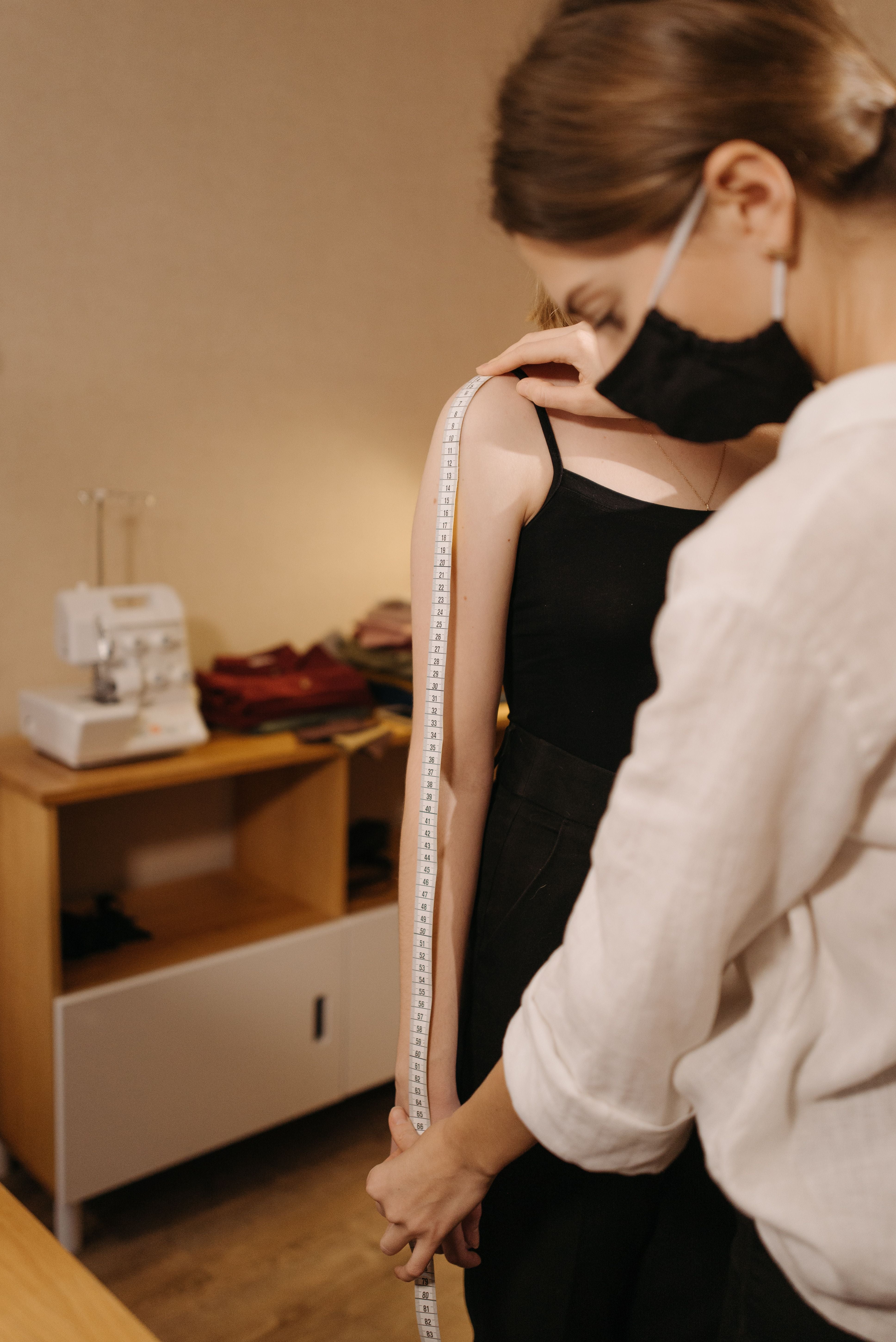
Getting the right fit also reduces the chance of buying pieces that sit unused. For help before ordering, read our simple guide to measuring yourself for clothes.
Frequently Asked Questions
How can I make clothes last longer?
Follow the care label, avoid unnecessary washing, use suitable temperatures, treat stains promptly, limit harsh heat and store garments correctly.
Should I wash all clothes in cold water?
No single temperature is right for every garment. Cooler water can be gentler for many washable items, but the garment's care label should determine the correct method and temperature.
Can embroidered or sequined clothes go in a washing machine?
It depends on the garment. Some delicate or heavily embellished pieces require hand washing or professional cleaning. Always check the care label instead of assuming machine washing is safe.
Is air-drying better than tumble drying?
Air-drying can reduce heat exposure for garments that allow it, but some fabrics have specific drying requirements. Follow the label to protect shape and finish.
What is the best way to store occasion wear?
Store it clean and fully dry, give it enough space, protect delicate surfaces and use a hanger or folded storage method appropriate for the garment's structure and weight.
Final Takeaway
The simplest clothing-care routine is usually the most sustainable one: clean garments only as needed, use the gentlest suitable method, avoid excessive heat and store every piece properly. Small habits can help your wardrobe stay fresher, neater and ready to wear for longer.

Leave a comment
This site is protected by hCaptcha and the hCaptcha Privacy Policy and Terms of Service apply.